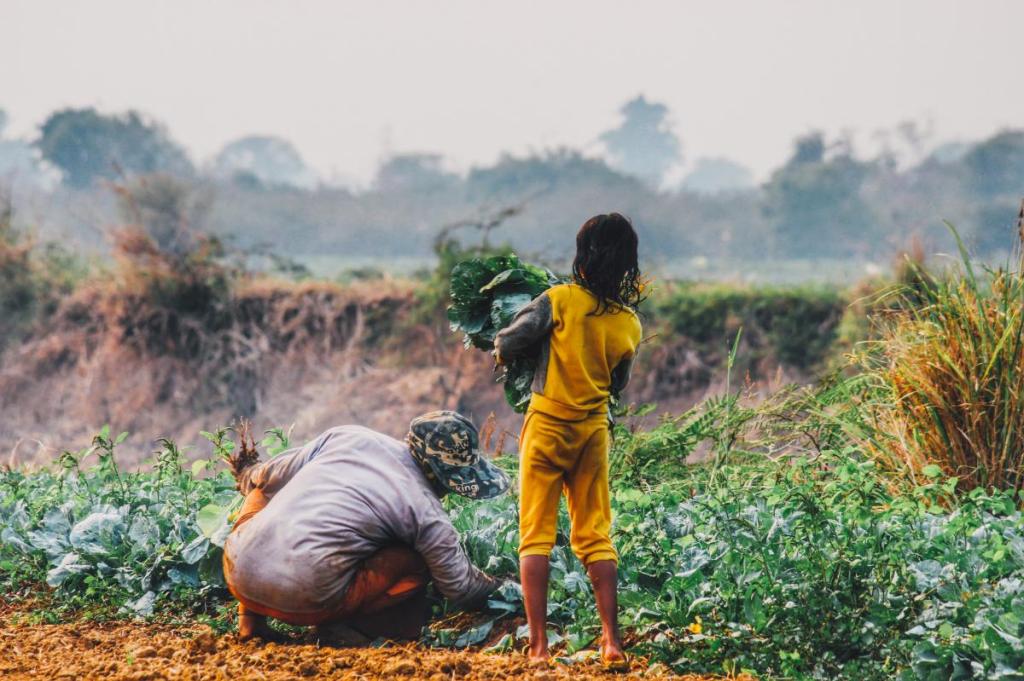
“If I live here, like you, that is different. Things will be easy for you. But they will be hard for us.”
-Antonia
This quote precisely embodies Antonia’s understanding of class on the prairie. According to Karl Marx, Capitalism leads to a concept called Class Conflict — otherwise known as the economic power of the Bourgeoise (upper class) over the Proletariat (working class). In this passage of the novel, Antonia seems to understand her class in relation to Jim’s. She understands how Capitalism would work in his favor, given his privilege and Capital.
This passage also seems to relate to Marx’s concept of Class Consciousness. Class Consciousness is the awareness of one’s social and/or economic class in relation to others. When an individual understands Class Consciousness, they understand their position in society in context of the wider society. Here, Antonia seems to know that she is likely to remain poor, like that of her mother and father — otherwise known as Social Reproduction.
“She told me how she and her husband had come out to this new country when the farm-land was cheap and could be had on easy payments. The first ten years were a hard struggle. Her husband knew very little about farming and often grew discouraged.”
Social Reproduction is another term coined by Marx in his work Das Kapital. Social Reproduction refers to the likeliness of an individual to remain in the same social class as their parents. Social Reproduction usually consists of structural forces that transmit inequality from generation to generation. In the case of the Shimerdas, the social structure is set for migrants like themselves — little opportunity, life chances, and room for advancement in society.
 Sociological Analysis of My Antonia